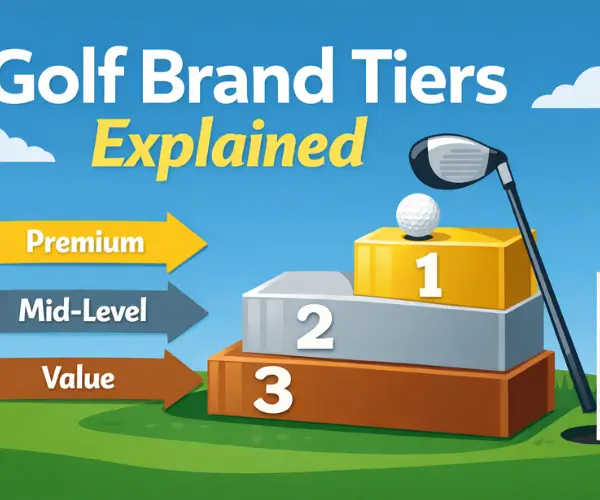
The world of golf equipment is often discussed in terms of performance, prestige, and brand heritage. Among enthusiasts, the idea of a “golf brand hierarchy” frequently comes up when comparing clubs, balls, and overall brand reputation. While no official ranking exists, golfers tend to group brands based on perceived quality, tour presence, and innovation. Understanding this informal structure can help players make more confident purchasing decisions and better appreciate how different manufacturers position themselves in the competitive golf market.
골프 브랜드 계급도의 의미와 형성 배경
When people talk about the so-called 골프 브랜드 계급도, they are usually referring to an unofficial perception shaped over many years by tour visibility, product performance, and brand storytelling. Premium names such as Titleist often sit near the top in the eyes of many golfers because of their deep roots in professional golf and their reputation for meticulous quality control. Players frequently associate these brands with reliability under pressure, which reinforces their elite image even among amateurs.
At the same time, companies like Callaway Golf and TaylorMade Golf have built powerful reputations through constant technological innovation and aggressive marketing on global tours. Their rapid product cycles and high-profile player endorsements keep them at the center of conversation whenever new drivers or irons are released. Meanwhile, manufacturers such as PING have earned respect in a slightly different way, focusing heavily on engineering credibility, custom fitting, and long-term trust with everyday golfers. Together, these brand narratives and market signals gradually shape what many people casually refer to as the hierarchy.
How Golfers Should Interpret Brand Tiers
Even though the hierarchy is widely discussed, it is important to approach it with a practical and grounded mindset. A brand’s perceived tier does not automatically guarantee better performance for every golfer. For example, a mid-handicap player may achieve more consistent results with a highly forgiving club from PXG or another performance-focused brand than with a compact, tour-style model from a traditionally prestigious manufacturer. Real-world results depend far more on how the club interacts with an individual swing than on brand reputation alone.
Smart golfers therefore treat brand tiers as background context rather than a buying rule. Professional endorsements, premium pricing, and strong brand heritage certainly influence perception, but they cannot replace proper club fitting, launch monitor data, and on-course testing. Players who take the time to compare feel, forgiveness, and ball flight often discover meaningful differences that marketing alone cannot reveal. In many cases, confidence at address and comfort through impact matter more than whether a logo is considered “top tier.”
Conclusion
The idea of a golf brand hierarchy continues to generate discussion because it blends objective performance factors with subjective impressions formed through tour exposure and brand history. While certain manufacturers consistently enjoy premium status in the public imagination, the most effective approach is to view the hierarchy as general market sentiment rather than a strict ranking system.
Golf is ultimately a game of individual fit and repeatable motion. Players who prioritize proper fitting, honest testing, and personal comfort tend to make better equipment decisions than those who focus only on brand prestige. In the end, the best brand is not necessarily the one placed highest in the perceived hierarchy, but the one that helps a golfer step onto the course with confidence and deliver their most consistent performance.